

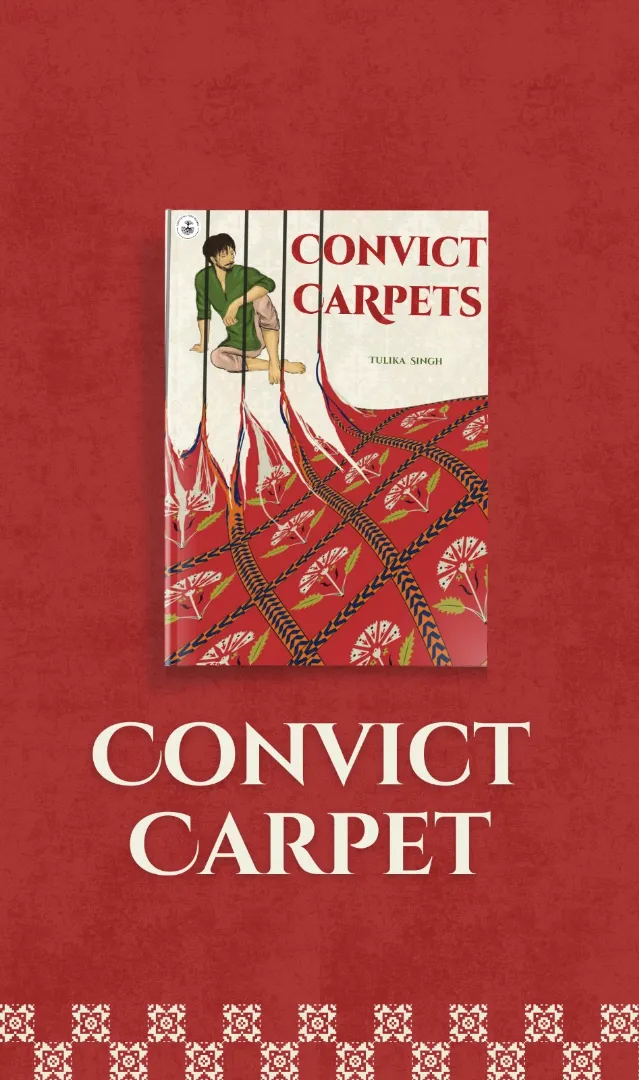
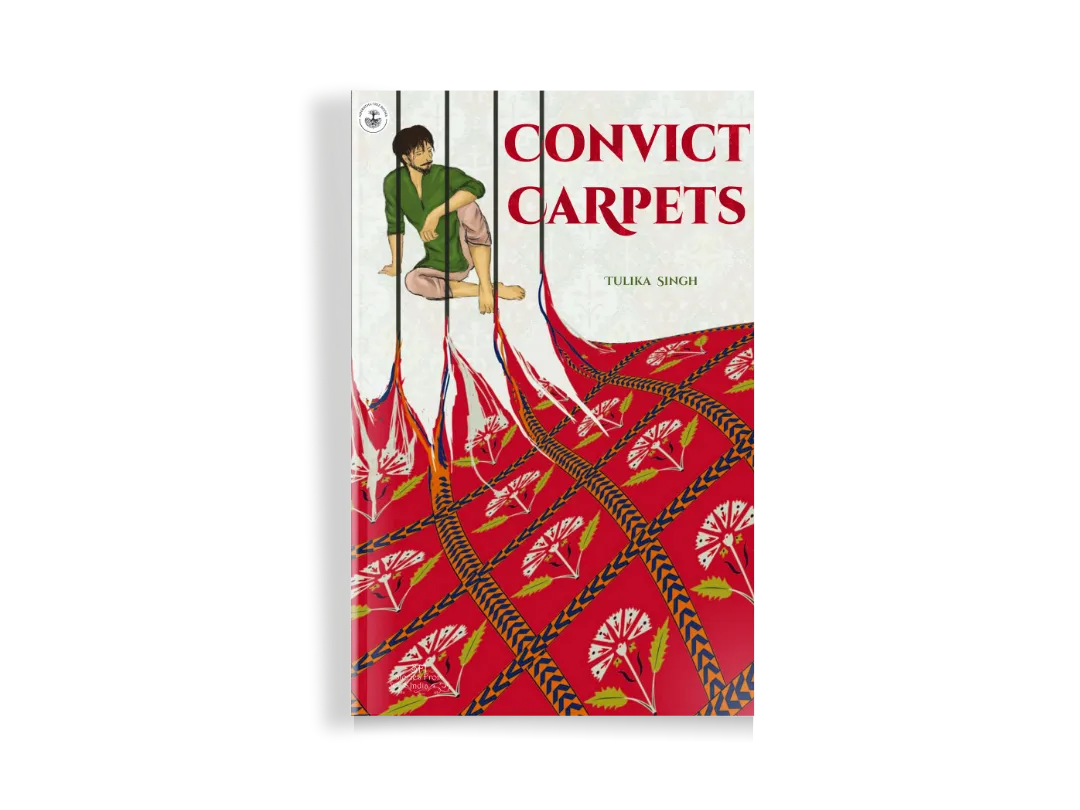
Convict Carpet
Many carpets were woven not in ordinary craft workshops, but in jails! in the British era. The beautifully woven carpets were sent to the UK and many other auctions. A story of Healing through art.
“Convict Carpet weaves tales of redemption, where every thread tells a story of transformation.”
Explore the Series Bundle

Related Books


Our Bestselling Book



The Illustrated Hanuman Chalisa
Frequently Asked Questions (FAQ's)
Convict Carpet explores the fascinating history of carpets woven by prisoners in Indian jails during the British era. It brings attention to a lesser-known chapter of India's craft heritage and explores how art and craftsmanship can become part of a story of healing and transformation.
Convict carpets were carpets woven by prisoners in Indian jails, particularly during the nineteenth and early twentieth centuries. These carpets often featured intricate traditional designs and were admired for their craftsmanship. Many found their way into international markets and collections.
Carpet weaving was introduced or encouraged in several Indian prisons as a form of organised prison labour. It was intended to keep prisoners occupied, develop practical skills, generate income, and promote discipline. The practice also became connected with the revival of traditional carpet designs.
Carpet weaving took place in several Indian jails, including those in Agra, Jaipur, Amritsar, Lahore, and other regions. Jaipur Central Jail and Agra Jail became particularly well known for their carpets. These workshops played an important role in the history of Indian prison crafts.
Yes. Historical records describe Indian prison-made carpets being sent to European and other international markets. They were displayed at exhibitions, sold to buyers, and sometimes commissioned for important residences. Their craftsmanship attracted attention beyond India.
Convict carpets are significant because they combine traditional Indian weaving skills with a lesser-known history of colonial prison labour. Their intricate patterns and craftsmanship reveal how traditional art continued to evolve within unusual settings, leaving behind objects that are now valued as historical artefacts.
Creative activities can provide opportunities for concentration, learning, and personal expression. In the context of prison workshops, weaving was also used to develop skills and habits among inmates. Convict Carpet uses this fascinating connection to explore the idea of transformation through art.
Children can discover an unusual part of India's history, learn about traditional carpet weaving, and appreciate the value of craftsmanship. The story can also encourage conversations about creativity, human potential, skill development, and how art can create opportunities for change.
Yes. Convict Carpet introduces young readers to a fascinating intersection of colonial history, traditional Indian crafts, and human stories. It can spark curiosity about historical objects, textile traditions, and the people whose skills helped preserve India's artistic heritage.
Convict Carpet makes an interesting gift for children who enjoy history, art, crafts, and unusual stories from India's past. It introduces a lesser-known aspect of Indian heritage and encourages readers to look beyond ordinary historical narratives.