
Dashavatar
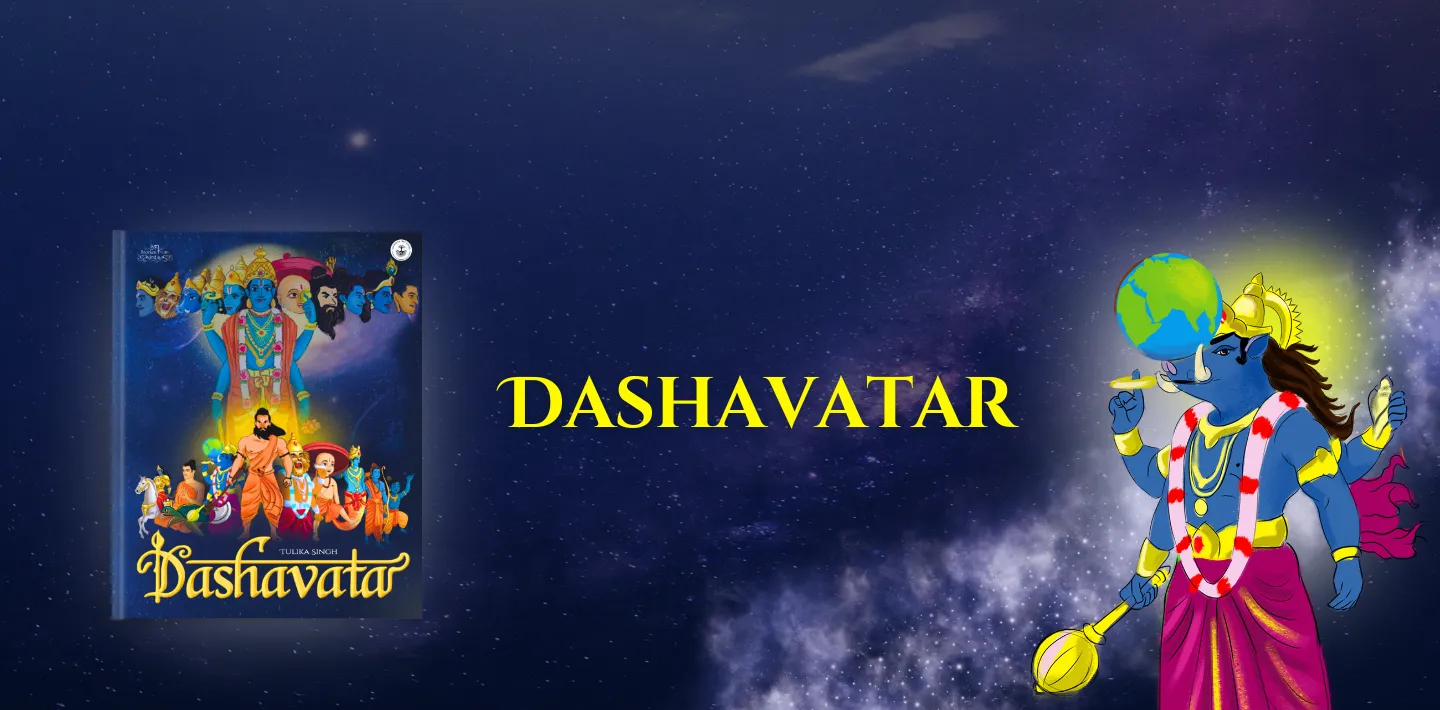
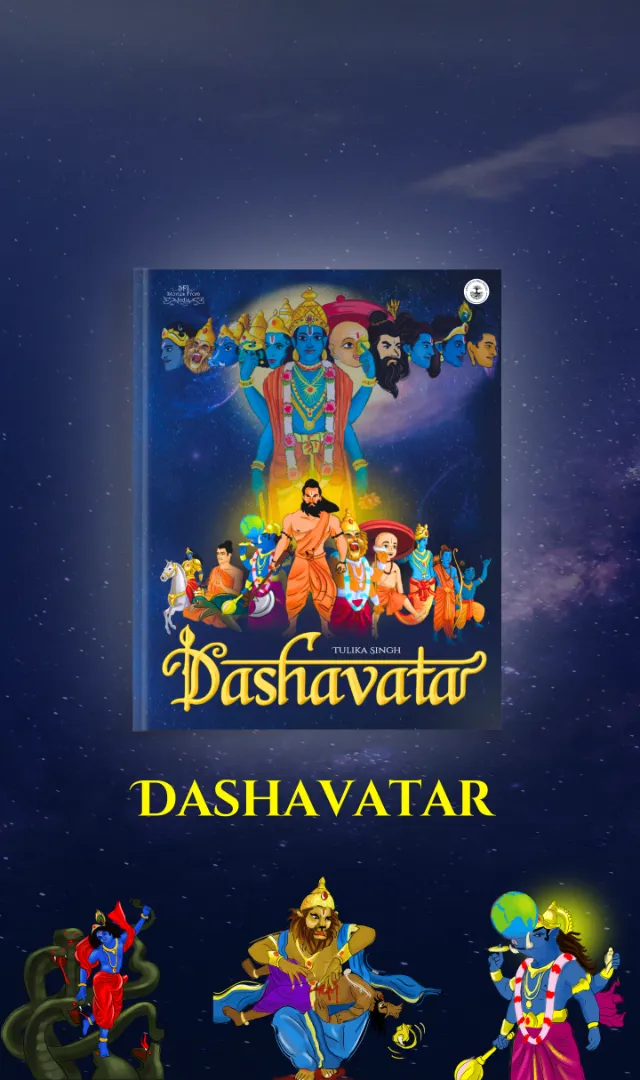
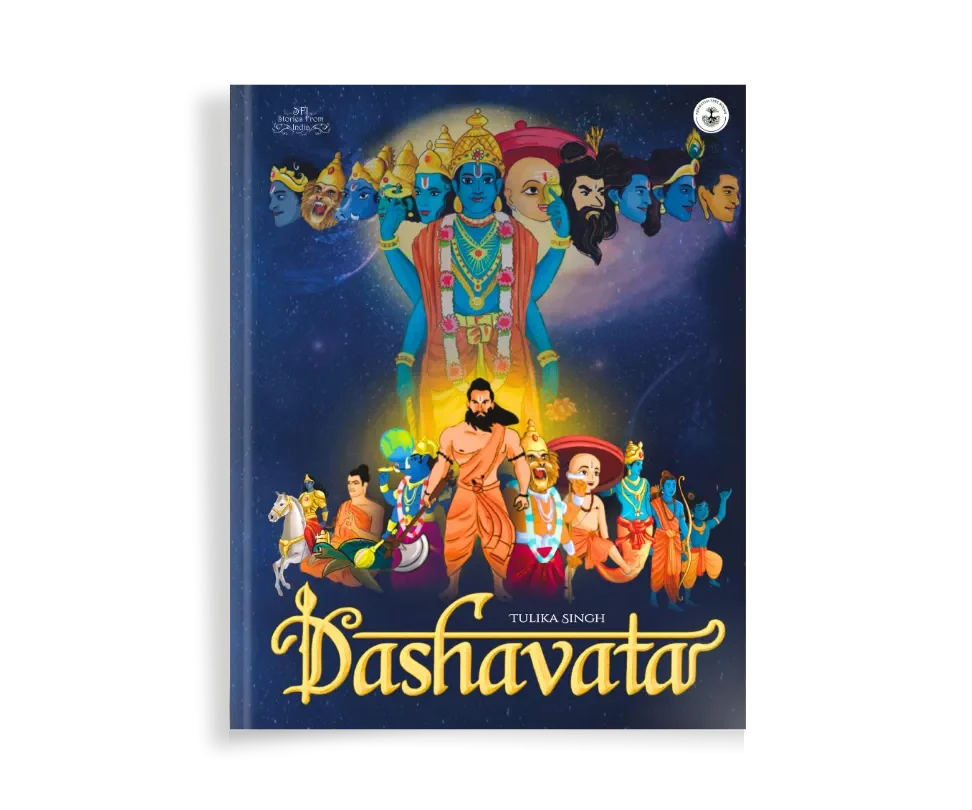
Dashavatar refers to the ten avatars of Vishnu, the Hindu god of preservation. These avatars are living stories that have shaped the beliefs and culture of millions for thousands of years. They are packed with meaning and life lessons.
“Dashavator embodies the divine cycle, where each avatar restores balance and righteousness in the world.”
Explore the Series Bundle

Related Books


Our Bestselling Book


The Illustrated Hanuman Chalisa
Frequently Asked Questions (FAQ's)
Dashavatar introduces children to the ten celebrated avatars of Lord Vishnu. Through these stories, young readers can explore how Vishnu takes different forms to protect the world, restore balance, and uphold righteousness. Each avatar carries meaningful lessons about life, courage, and the triumph of good over evil.
The word Dashavatar comes from two Sanskrit words: Dash, meaning ten, and Avatar, meaning incarnation or divine descent. Dashavatar refers to the ten principal incarnations of Lord Vishnu, who is believed to appear in different forms whenever the balance of the world needs to be restored.
The ten avatars commonly associated with Dashavatar are Matsya, Kurma, Varaha, Narasimha, Vamana, Parashurama, Rama, Krishna, Buddha, and Kalki. Some traditions include Balarama instead of Buddha. Each avatar has a distinct story and represents a divine intervention to restore balance.
According to Hindu tradition, Lord Vishnu takes different avatars whenever righteousness is threatened and the world needs protection. These divine incarnations restore dharma, overcome evil, and protect creation. The stories of Dashavatar illustrate this recurring theme through different forms and circumstances.
Matsya is the fish incarnation associated with saving life and preserving sacred knowledge during a great flood. Kurma, the tortoise, supports Mount Mandara during the churning of the ocean. Varaha, the boar, rescues the Earth from the cosmic waters. These stories celebrate divine protection and restoration.
Narasimha is the half-man, half-lion incarnation of Lord Vishnu. He appears to protect the young devotee Prahlada and defeat the demon king Hiranyakashipu. The story highlights the power of faith, divine protection, and the triumph of good over evil.
The stories of Dashavatar introduce children to courage, devotion, compassion, wisdom, and the importance of standing up for what is right. They also help young readers understand the concept of dharma and discover how divine intervention restores balance in the world.
Dharma refers to righteousness, moral duty, and the principles that sustain harmony in the world. The Dashavatar stories illustrate how Lord Vishnu appears in different forms to protect dharma whenever it is threatened. They teach the importance of justice, responsibility, and balance.
Yes. Dashavatar is a meaningful choice for children interested in Hindu mythology and stories of Lord Vishnu. It introduces young readers to ten important divine incarnations and offers an opportunity to explore India's rich spiritual heritage through stories and their underlying life lessons.
Dashavatar makes a thoughtful gift for children who enjoy mythology, stories of Hindu gods, and Indian cultural traditions. It introduces them to the fascinating world of Lord Vishnu's ten avatars while encouraging conversations about courage, righteousness, devotion, and the importance of good over evil.