


For the Love of Phulkari
A young girl’s journey into her own heart. Walking on the footprints of time, and holding her grandma’s hand Ladoweaves the colour of love.
“For the Love of Phulkari celebrates the vibrant artistry that stitches together heritage, culture, and love.”
Explore the Series Bundle

Related Books
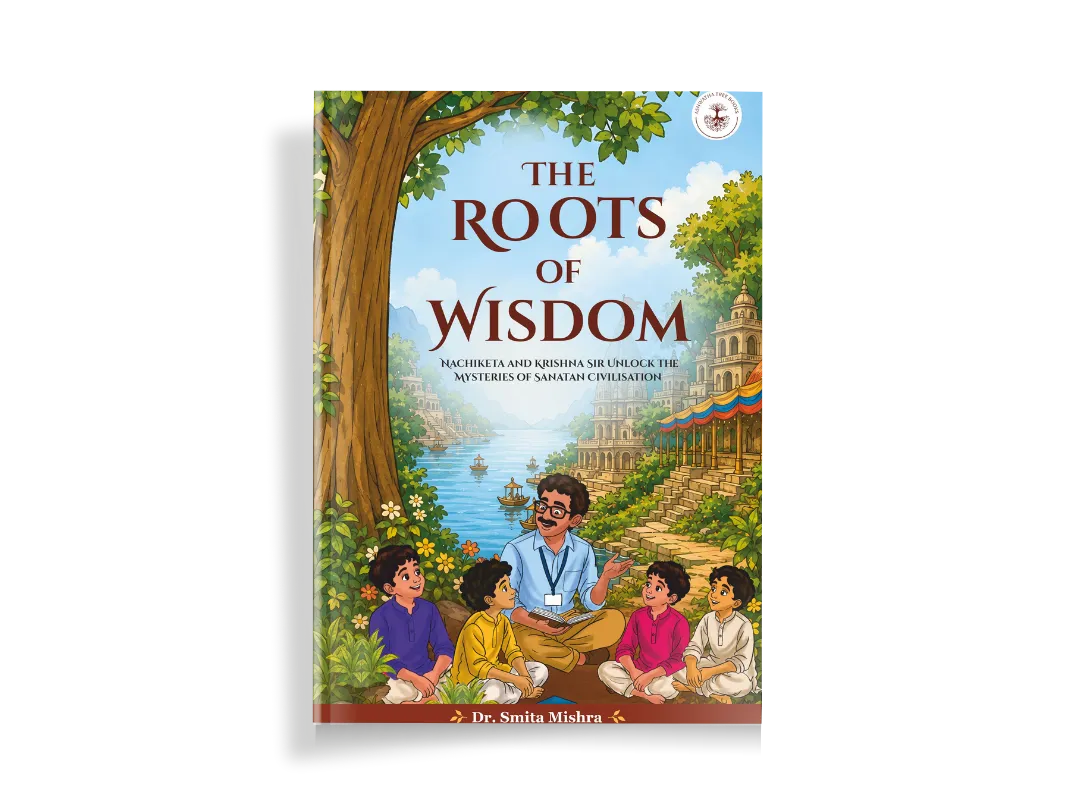
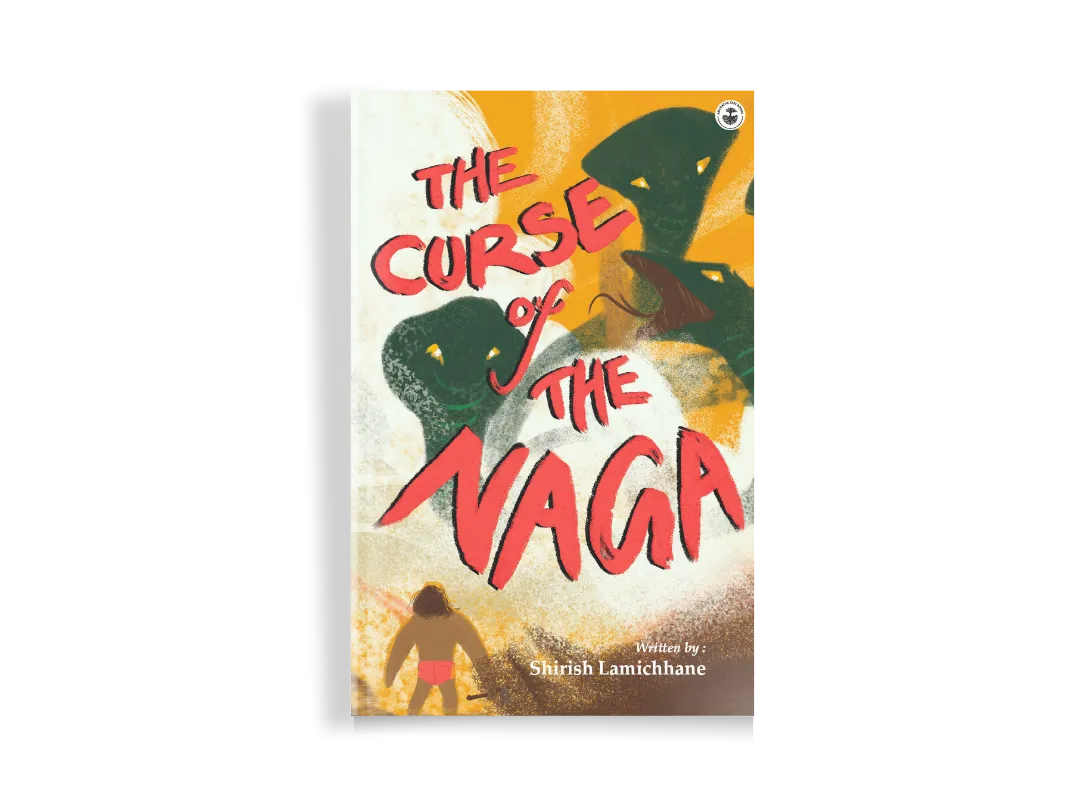
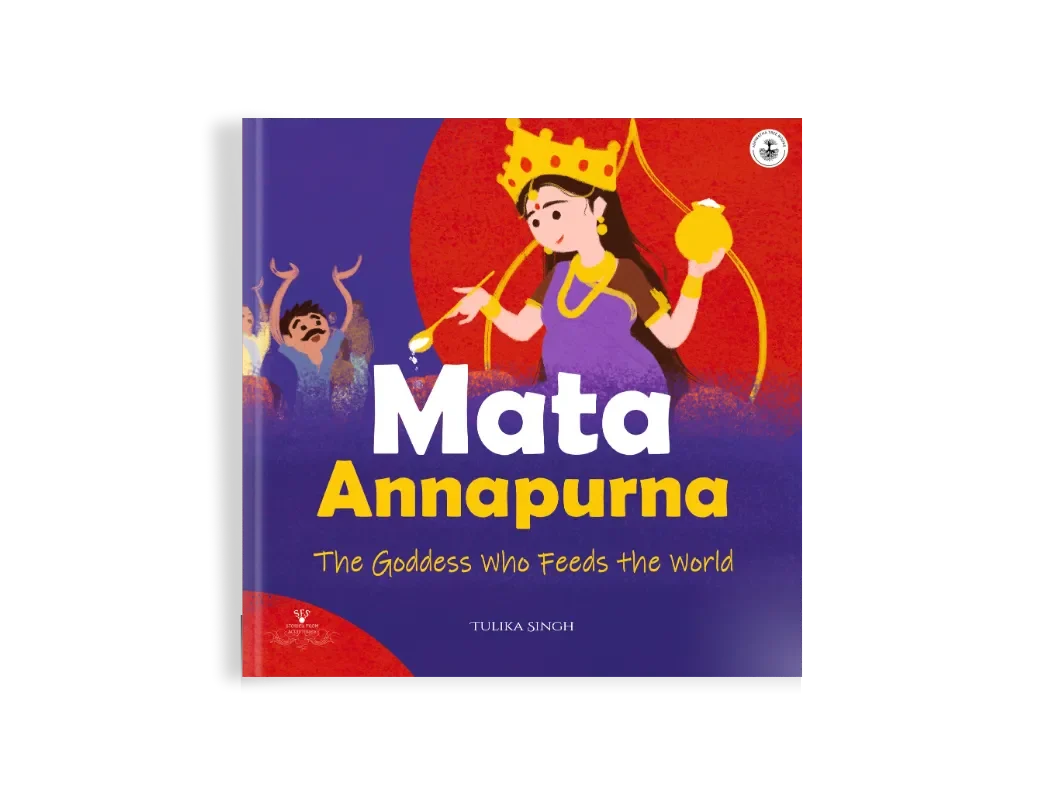
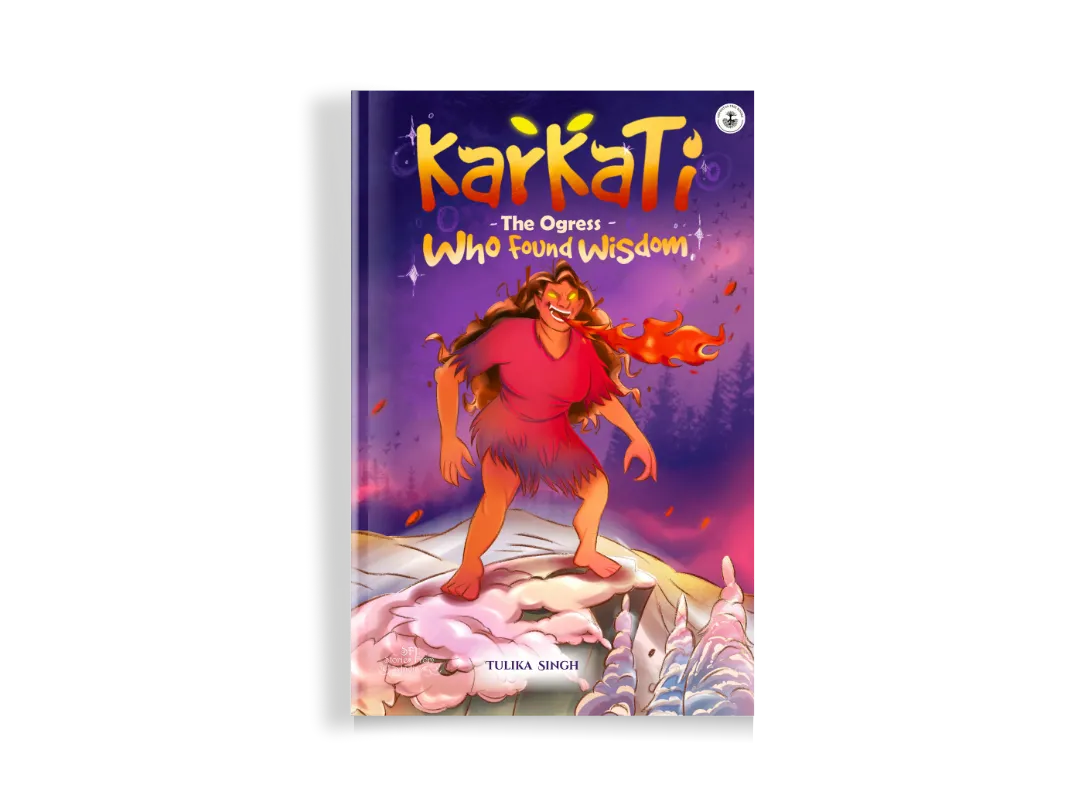


Our Bestselling Book



The Illustrated Hanuman Chalisa
Frequently Asked Questions (FAQ's)
For the Love of Phulkari follows a young girl named Lado on a journey of discovery with her grandmother. Through their special bond, the story celebrates the colourful art of Phulkari and explores themes of love, family, heritage, and cultural identity.
Phulkari is a traditional embroidery art form from Punjab. The word literally means "flower work." It is known for its colourful floral and geometric patterns, traditionally embroidered on fabric using brightly coloured threads. Phulkari is an important part of Punjab's cultural and textile heritage.
Phulkari has been an important part of Punjabi life for generations. Traditionally, embroidered textiles were created for weddings, festivals, and special family occasions. The craft reflects the creativity, emotions, and cultural identity of Punjabi women and their communities.
Lado is the young girl at the heart of the story. Through her journey alongside her grandmother, she discovers the beauty of Phulkari and the deeper connections between family, memories, love, and cultural heritage.
Children can learn to appreciate traditional Indian art, family relationships, and cultural heritage. The story encourages them to value the wisdom of older generations and understand how traditional crafts can carry memories, emotions, and stories from one generation to another.
Phulkari embroidery expresses creativity and emotion through colours, patterns, and designs. Traditionally, women created embroidered textiles for meaningful occasions and family celebrations. Each piece can reflect personal expression, cultural identity, and the traditions of the community.
The relationship between Lado and her grandmother represents the special bond through which family traditions and memories are passed down. Their journey highlights the value of listening to elders, learning from their experiences, and discovering one's cultural roots through shared moments.
Yes. The book offers a child-friendly introduction to Phulkari and Punjabi cultural heritage. Through Lado's journey, children can discover a traditional Indian art form while learning about family bonds, creativity, and the importance of preserving cultural traditions.
Parents can introduce children to Phulkari through books, photographs, museum visits, and opportunities to observe traditional embroidery. Talking about the colours, patterns, and occasions associated with the craft can make learning about India's textile heritage enjoyable and meaningful.
For the Love of Phulkari makes a thoughtful gift for children interested in Indian art, culture, and family stories. Its celebration of Punjabi heritage, traditional embroidery, and the bond between generations makes it a lovely choice for encouraging cultural curiosity.