


Freedom Fabric
This book shows us how our day-to-day clothing can express varied emotions of happiness, solitude and fun. Also how the same fabric and clothing became a means and symbol of India’s freedom struggle when Mahatma Gandhi adorned Dhoti, the red shirts, Khadi and Charkha paved the way to Independence.
Explore the Series Bundle

Related Books

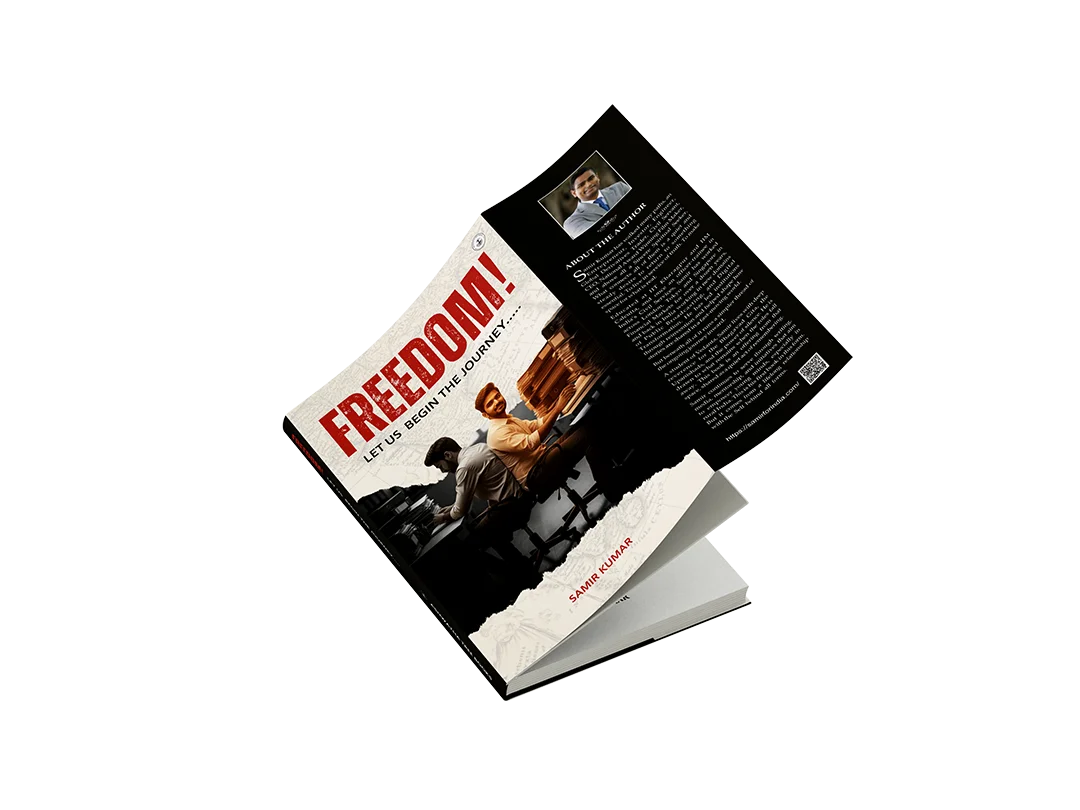
Our Bestselling Book
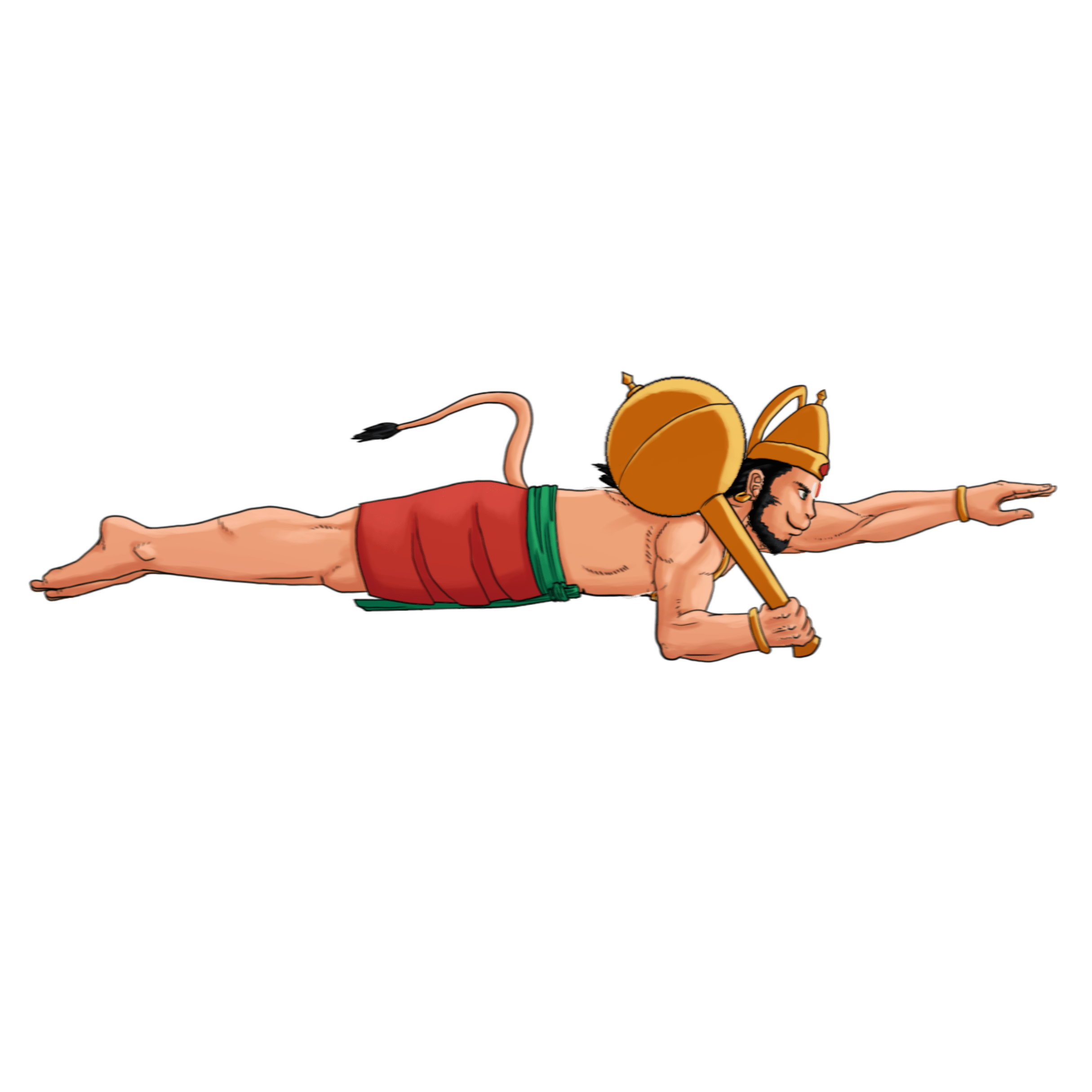


The Illustrated Hanuman Chalisa
Frequently Asked Questions (FAQ's)
Freedom Fabric explores how clothing and fabric express emotions, identity, and culture. It also introduces children to the role of clothing in India's freedom struggle, including Mahatma Gandhi's dhoti, Khadi, the Charkha, and the significance of different garments in the movement for independence.
Freedom Fabric refers to Khadi, which became a powerful symbol of India's freedom movement. By encouraging Indians to wear locally produced, handspun and handwoven cloth, Mahatma Gandhi connected everyday clothing with self-reliance, national identity, and the struggle against British rule.
Khadi is traditionally handspun and handwoven fabric, usually made from cotton, though other fibres can also be used. During the freedom movement, Gandhi promoted Khadi as a symbol of self-reliance and encouraged Indians to support indigenous textile production instead of depending on imported British cloth.
Mahatma Gandhi adopted simple clothing to identify with ordinary Indians, particularly those who could not afford expensive garments. His dhoti became a powerful expression of simplicity, equality, and solidarity with the people. His clothing choices also carried a message of self-reliance and resistance to colonial rule.
The Charkha, or spinning wheel, became an important symbol of India's freedom movement. Gandhi encouraged people to spin their own yarn and wear Khadi. This promoted local livelihoods, economic self-reliance, and the idea that ordinary citizens could actively participate in the struggle for Swaraj.
Clothing became a way for Indians to express their identity and political beliefs. Wearing Khadi represented support for indigenous production and resistance to British-made textiles. Gandhi's simple clothing also challenged social divisions and encouraged people to connect personal choices with the larger freedom movement.
Children can discover how everyday objects such as clothes and fabric can carry powerful meanings. The book encourages them to explore Indian history, understand the importance of self-reliance, appreciate cultural identity, and recognise how ordinary people contributed to the freedom struggle.
Clothing can communicate feelings, personality, cultural identity, and individual choices. Freedom Fabric explores how the same fabric can express different emotions, including happiness, solitude, and fun, while also showing how clothing can carry a larger social and historical meaning.
Yes. Freedom Fabric offers an interesting way to introduce children to Mahatma Gandhi and India's freedom movement through the familiar subject of clothing. It helps young readers discover the historical significance of Khadi, the Charkha, and the choices people made during the struggle for independence.
Freedom Fabric makes a thoughtful gift for children interested in Indian history, Mahatma Gandhi, and cultural heritage. It encourages young readers to look beyond everyday clothing and discover its connection with identity, self-expression, self-reliance, and India's journey towards independence.