

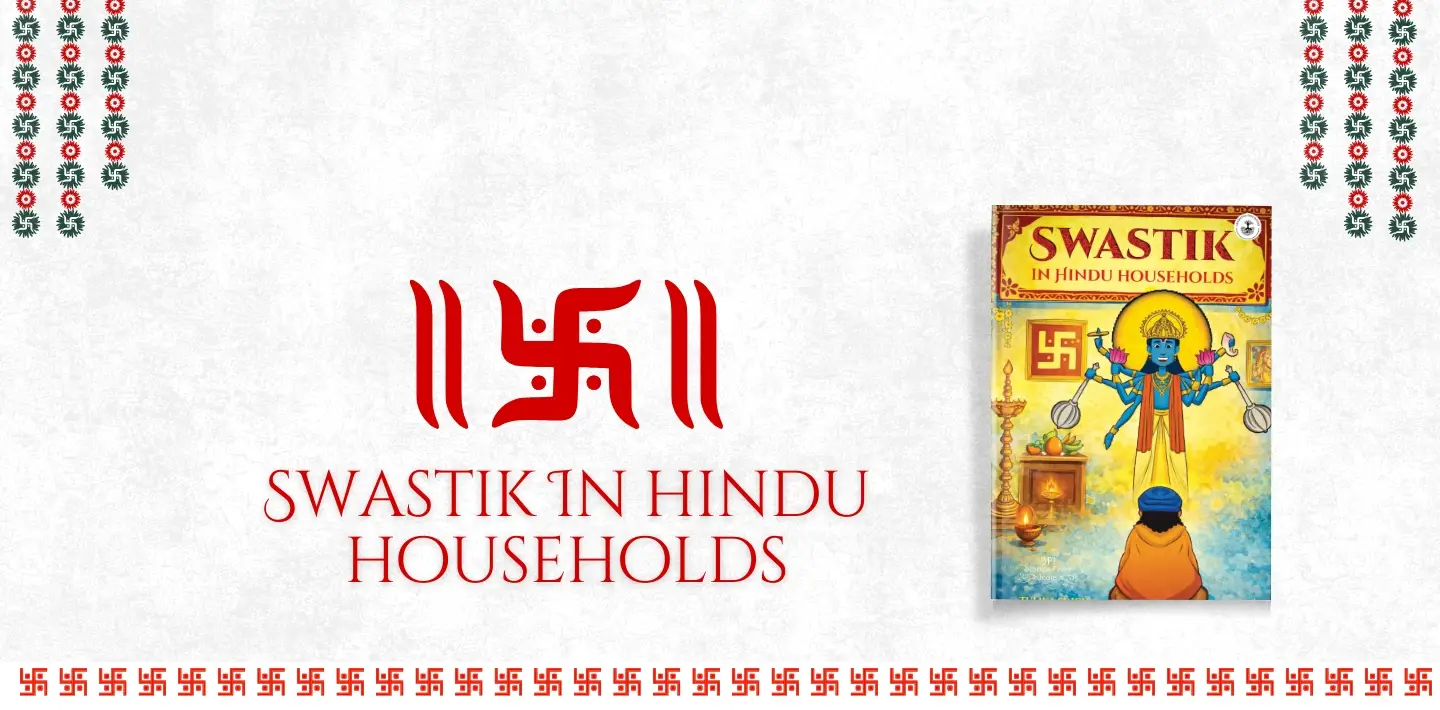
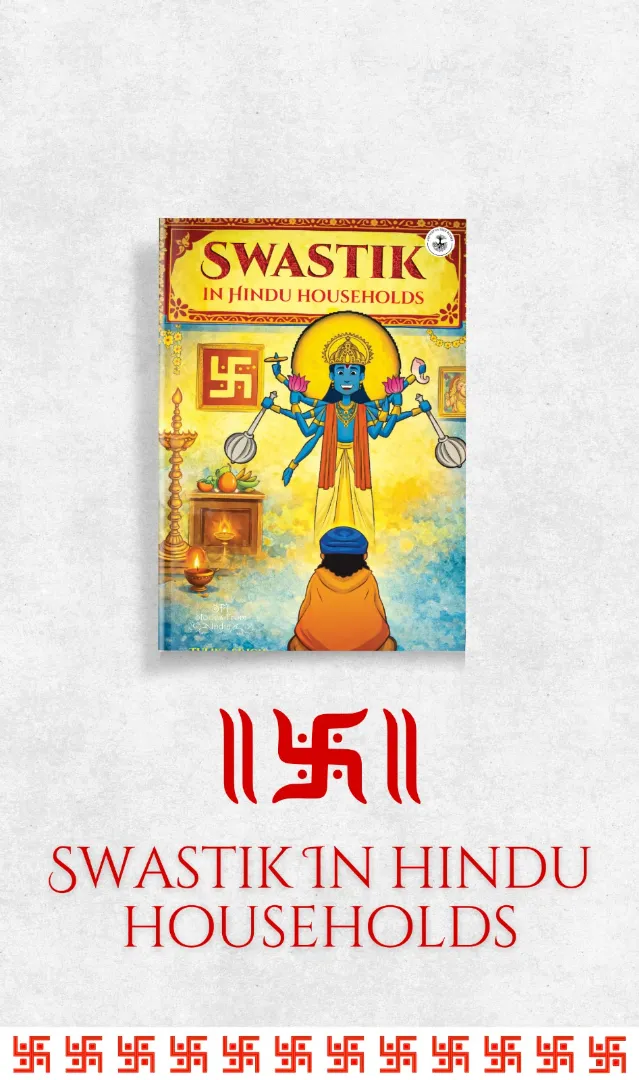

The Divine Symbol Swastik
Explore the enchanting world of Hindu households as we learn about the Swastik symbol. Discover its significance, history, and how it brings good luck and positivity to homes. Celebrating culture and tradition, and teaching children the importance of symbols.
Explore the Series Bundle

Related Books




Our Bestselling Book



The Illustrated Hanuman Chalisa
Frequently Asked Questions (FAQ's)
The Swastik is an ancient symbol associated with good fortune, well-being and auspicious beginnings. Its name comes from the Sanskrit word svastika, which is connected with the idea of well-being. In Hindu traditions, it is commonly used to invite positivity and blessings.
In Hindu tradition, the Swastik represents good fortune, prosperity and well-being. It is often drawn during religious ceremonies and important occasions as a mark of an auspicious beginning and a prayer for happiness and success.
The Swastik is commonly seen at the entrances of homes, near places of worship, on puja items, wedding invitations and new account books. Families also draw it during festivals and other auspicious occasions as a traditional expression of welcome and good wishes.
The word Swastik comes from the Sanskrit word svastika, associated with good fortune and well-being. It reflects the traditional wish for everything to be auspicious and well. The symbol has a long history across different cultures, with particularly deep religious significance in India.
During Diwali and other auspicious occasions, families traditionally draw the Swastik as a symbol of good fortune and positive beginnings. It may be placed near entrances, on account books or during puja as part of welcoming prosperity and blessings.
The four arms of the Swastik have been interpreted in different ways across Indian traditions. They are sometimes associated with the four directions, the four Vedas, the four stages of life or the cycles of existence. The precise interpretation can vary according to the religious and cultural context.
Yes. The Swastik has a long history in the Indian subcontinent and is an important sacred symbol in Hinduism, Buddhism and Jainism. It has also appeared in many other ancient cultures around the world.
No. The traditional Swastik is an ancient auspicious symbol used in Indian religious and cultural traditions for thousands of years. The Nazi Party later appropriated a related hooked-cross design as an emblem of its racist ideology. The historical context and meanings are very different, and it is important to understand this distinction.
Children can learn about the meaning, history and cultural significance of an important Indian symbol. The book can help them recognise how traditional symbols are used in homes, temples and festivals and encourage curiosity about India's cultural heritage.
You can purchase The Divine Symbol Swastik directly from the Ashwatha Tree Books website. Visit the product page, add the book to your cart and proceed to checkout to place your order.